
A tale of two tables
New research finds 1 in 8 London restaurants limit online booking options for solo diners.
September 2026 · 3 min read
Solo dining is becoming increasingly common in the UK, whether it’s business travellers eating between meetings, people exploring a city alone or diners simply choosing to enjoy a meal by themselves. For restaurants, that creates a growing commercial opportunity. Yet, as many solo diners will know, booking a table for one isn’t always as straightforward as booking for a larger party.
New research from SoloTable has found that one in eight London restaurants limit online booking options for solo diners. The study tested reservations at 200 restaurants across London. Among the 178 restaurants where a direct comparison was possible, 22 offered fewer booking options for solo diners than for parties of two.
Where solo bookings fall short
The restrictions varied from restaurant to restaurant. At some, there was no option to book for one at all. At others, bookings for one were technically supported but showed no available times, or offered more limited availability around peak periods while tables for two remained bookable.
Encouragingly, most restaurants performed well. Of the 178 where a direct comparison was possible, 156 offered equal booking availability for one and two diners.
A growing opportunity for restaurants
Even so, the gap remains significant, particularly as dining alone becomes increasingly mainstream. OpenTable has reported a 14% year-on-year rise in UK solo dining, while its research also found solo diners spend 32% more per person than other diners.
For restaurants, that points to a growing and potentially valuable customer base. Making it harder for solo diners to find or book a table creates unnecessary friction at a time when demand for solo dining is moving in the opposite direction.
More than a booking
Availability was not the only difference SoloTable discovered. In some cases, solo diners could make a reservation but had less access to special menus or certain dining experiences.
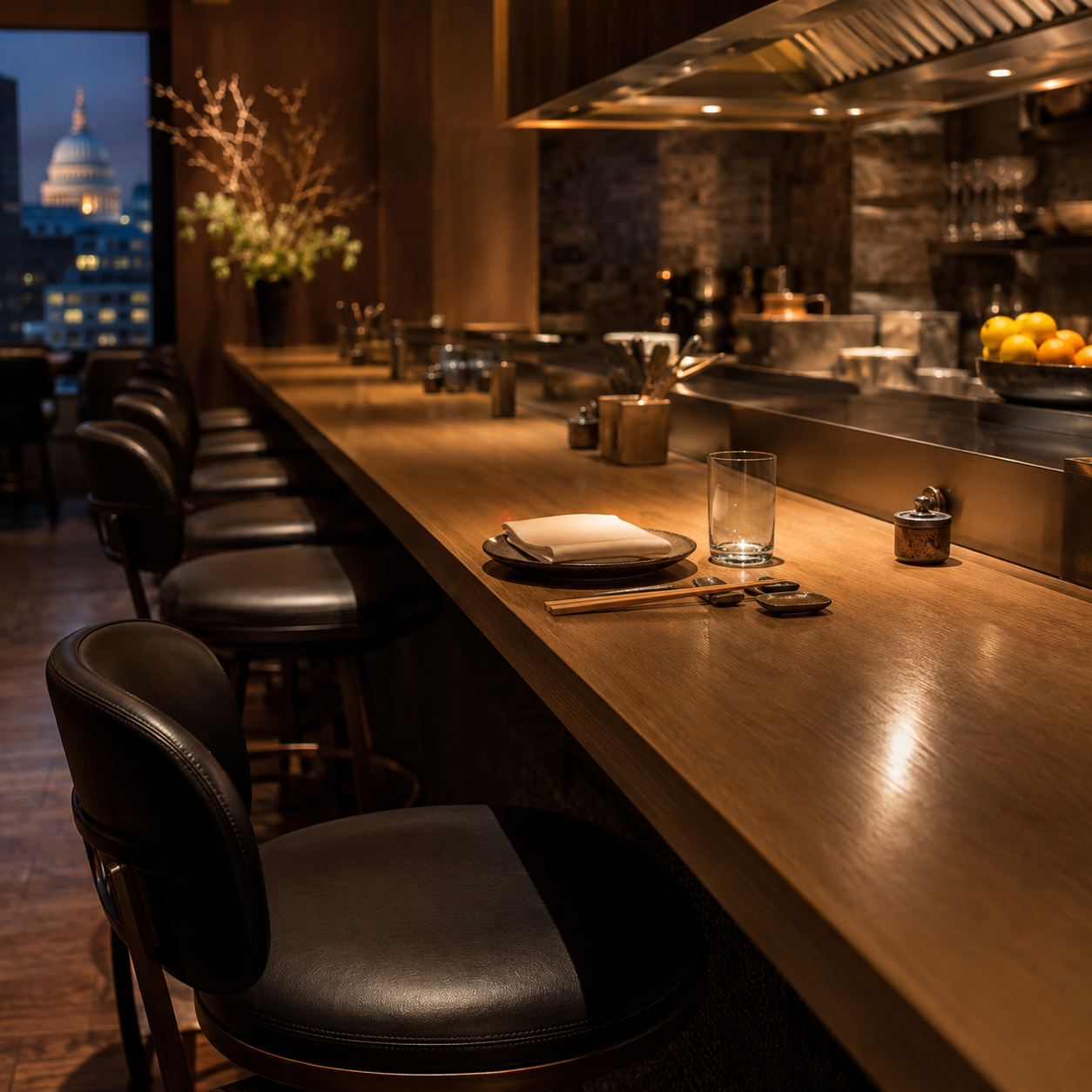
Solo diners were also sometimes offered different seating options, such as counter or bar seats instead of standard tables. But this was not necessarily a disadvantage. These types of seats can work well for dining alone, and may indicate that a restaurant has thought about how best to accommodate solo guests.
There were differences across London too. Mayfair recorded the most solo booking restrictions, while all comparable tests in Soho and Covent Garden showed equal access for one and two diners.
Online booking availability, however, only scratches the surface of the solo dining experience. Whether a restaurant genuinely welcomes solo diners and what to expect before arriving can matter just as much.
SoloTable helps remove that uncertainty by verifying the details solo diners need to know before they go, making it easier to choose where to eat and dine alone with confidence.